
On this page
Can you trade Polymarket in Singapore?
Polymarket Global lists Singapore as restricted, with no new positions allowed. Singapore’s Gambling Regulatory Authority (GRA) also states that Singapore Pools is the only operator it licenses to provide remote gambling services, and that participating in unlicensed remote gambling is an offence. Read the platform restriction alongside the GRA’s guidance; a working page or account does not establish permission to trade.
You may see Singapore described as “close-only”. That describes how the platform handles orders for existing positions. It does not provide an exception to Singapore law, establish signup eligibility or guarantee a withdrawal.
How Singapore’s gambling rules apply
The Gambling Control Act 2022 defines betting broadly, including stakes of money or things of value on events, the likelihood of something happening, or whether something is true. Its definitions include relevant exceptions, such as specified investment activity. A platform’s label alone does not decide which rules apply.
For readers, the GRA’s explanation is the clearest starting point: unlicensed remote gambling services are unlawful in or from Singapore, including services supplied from overseas to people situated in Singapore. The authority also warns against participation in those services. A foreign company’s registration or a crypto-related permission does not establish a remote gambling licence.
Section 20 addresses gambling with an unlicensed provider. Under subsection (1), the provider must be supplying the service contrary to section 18(1), and the person gambling must know, or reasonably ought to know, that this is the case. The maximum penalty under subsection (3) is a fine of S$10,000, six months’ imprisonment, or both. Those conditions matter: the provision should not be presented as an automatic penalty for simply opening a webpage.
What “close-only” does and does not mean
Polymarket’s geographic documentation places Singapore in the close-only group for both the website interface and the API. It describes that group as allowing existing positions to be closed while preventing new ones.
The Help Center also lists Singapore under countries completely restricted from access, then separately describes it as close-only. The wording does not give a consistent assurance about every account action. Both pages agree on the point that matters for someone considering a new trade: new positions are restricted.
Closing a position is also different from waiting for market resolution, redeeming a payout or transferring money out. A technical close-only status does not confirm that any of those actions is lawful in your circumstances. An existing account does not remove that question.
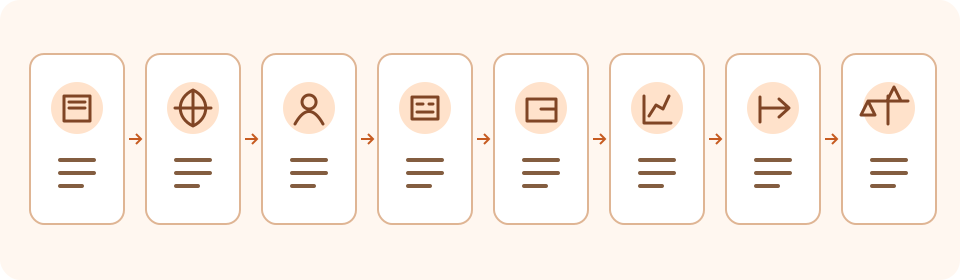
Eight questions behind “available”
| Stage | Position for someone in Singapore |
|---|---|
| Website access | Access restrictions are described in official product information. This guide does not include a Singapore network test. |
| Terms and geography | Singapore is restricted. Full current Global terms were unavailable for this guide. |
| Signup | No Singapore-specific eligibility to create and use a trading account is established. |
| Identity checks (KYC) | A general account or wallet option is not confirmation that your identity documents will be accepted. |
| Funding | No lawful deposit entitlement is established; a supported payment method does not supply one. |
| Trading | New positions are restricted on the website and API. Close-only is not local legal permission. |
| Withdrawal | No Singapore-specific entitlement, legal exemption or guaranteed completion is confirmed. |
| Local law | Unlicensed remote gambling is subject to the Gambling Control Act and the GRA’s stated restrictions. |
The GRA says the Singapore Police Force assumed website, advertising and payment blocking functions on 1 January 2025. That is the date of a responsibility change, not proof of the day a particular platform was blocked. A specific Polymarket blocking order and date are not established by the official sources linked here.
US regulation does not answer Singapore eligibility
Polymarket’s product explanation separates its international platform from Polymarket US. The US service has a different user scope and governing rules, including identity verification. Its regulatory position does not establish permission for someone in Singapore to use either service.
The international platform’s general signup description does not guarantee country-specific acceptance. It also says additional information is requested from top-volume traders. Do not interpret a wallet connection as a promise that identity checks never apply.
If you already hold funds, ask the official support team for the relevant product about your account’s status, restrictions and records. For whether a proposed action is lawful, obtain Singapore-specific legal advice. This article does not offer deposit instructions or promise that a balance can be recovered.
Common questions
Are markets about Singapore open to people in Singapore?
The subject of a market does not determine trader eligibility. A contract about local weather or politics can exist while new positions from Singapore remain restricted.
Does close-only guarantee that I can withdraw?
No. It refers to existing-position orders. Withdrawal involves a separate transfer and may raise different account, compliance and legal questions.
Is another prediction platform automatically an approved alternative?
No. Each service has its own regulatory position and terms. This includes HypaForecast: a link or comparison here does not establish lawful availability in Singapore.
This guide is published by HypaForecast. It is independent of Polymarket. Links to HypaForecast do not establish that its products are available or legally permitted in your jurisdiction. Check its own eligibility and local rules separately.
Explore HypaForecast markets
Browse the market list, or inspect the question and current round details for the 5-minute and 15-minute BTC markets.
Sources and scope
Official government, statutory and Polymarket sources checked on 15 October 2026. This guide does not include local network or account transaction testing. Individual eligibility, legal close-out and withdrawal outcomes are not established.
Share this guide